
A bottle of Ribena can mean two different things: a concentrate you mix with water, or a drink that is ready to enjoy. Recognizing that difference is the easiest way to choose well. After that, the decisions are familiar: which flavor you want, how much room you have and whether you prefer a single bottle or a multipack.
If blackcurrant is new to you, give it a simple introduction. Start with chilled water and the dilution printed on a concentrate bottle, or try a chilled ready-to-drink serving. You do not need a special glass, a complicated recipe or a cupboard full of ingredients to find out whether you like it.
Choose your format.
In British drinks terminology, squash is a concentrated fruit drink intended to be diluted. Here, the word has nothing to do with a vegetable. It describes a bottle you keep for preparing drinks over time. The finished drink is made by combining a measured amount of concentrate with water.
A ready-to-drink bottle or carton already contains the drink in its serving form. Open it and enjoy, or pour it into a glass. This is the convenient choice when you are packing lunch, going out or simply do not want to measure anything. A carton can also make the number of portions in a pack easy to count.
Think about where you will use the drink before choosing a pack. If you usually make drinks in a kitchen, a concentrate may suit that routine. If you need individual portions away from home, ready-to-drink packaging may be more useful. Neither format is automatically the better choice: each removes a different bit of effort from your day.
| What matters to you | Concentrate | Ready to drink |
|---|---|---|
| Preparation | Measure and add water as directed | No mixing required |
| How you use it | Make a glass when you want one | Open an individual bottle or carton |
| Pack comparison | Check bottle volume and dilution | Check serving volume and pack count |
| What to keep nearby | Water, a glass and a measure | A glass if you prefer one |
Browse Ribena concentrates if mixing is part of your routine. Choose ready-to-drink options if a bottle or carton needs to be ready when you are.
Get to know blackcurrant.
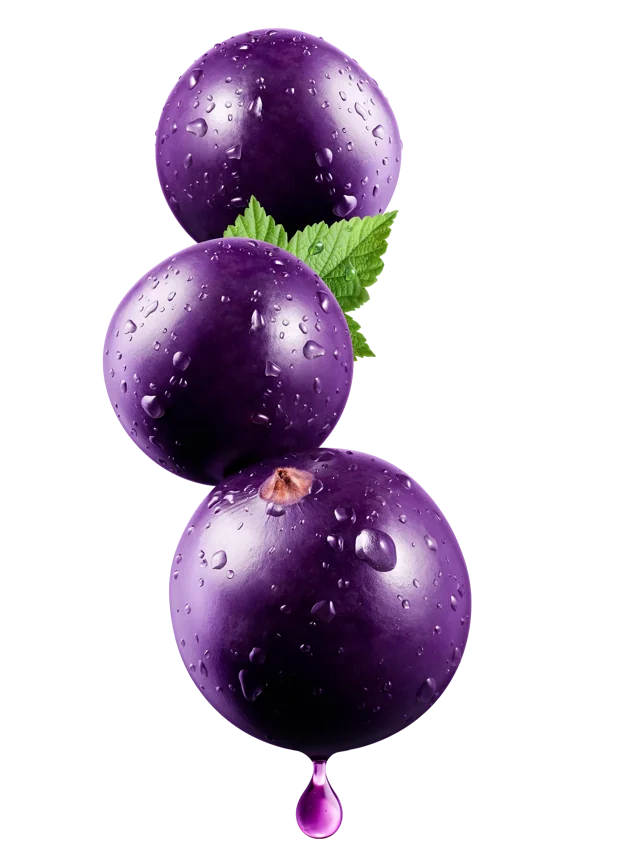
Blackcurrants are small, dark berries. They are different from blackberries, and their flavor should not be judged as a version of grape. The appeal is a distinctive combination of fruitiness and tartness. In a prepared drink, the sweetness and strength also depend on the particular recipe and, for concentrate, the amount of water you add.
The best first taste is a straightforward one. Extra juice, flavored sparkling water and a large squeeze of citrus can all change your impression. Try the drink on its own first, then decide what you would enjoy adding. That gives you a useful starting point for future glasses rather than a mixture you cannot easily repeat.
Temperature can change how a drink feels and how strongly you notice its aroma. You might prefer it well chilled, while someone else enjoys a glass with less ice. That is a preference, not a rule. Use your first serving to find out what appeals to you, keeping the pack’s preparation instructions as your starting point.
Make your first glass.
Read the directions on the bottle you have in front of you. Different products and packaging versions can have different dilution instructions. Do not rely on the ratio from an older bottle, a different flavor or a photograph of another market’s packaging. A small measuring jug is useful because it removes the guesswork without making preparation complicated.
Set out a clean glass, your concentrate and the water you plan to use. Measure the concentrate first, add the amount of water directed on the pack and stir. If you want ice, leave enough room for it. Pouring slowly is particularly useful with a narrow glass, where a quick splash can send the drink over the rim.
A ratio describes parts, not a fixed glass size. For example, if a label says one part concentrate to four parts water, a 25 ml measure of concentrate pairs with 100 ml of water. A 50 ml measure pairs with 200 ml of water. This is an arithmetic example, not a universal direction for every Ribena product: use it only when that ratio is printed on your bottle.
Keep concentrate volume separate from finished-drink volume. In that same example, 50 ml of concentrate plus 200 ml of water makes 250 ml before ice. The water is four times the concentrate, while the finished drink is five times the concentrate. That small distinction helps when you are making enough for more than one glass.
For a pitcher, calculate the same proportions for the total quantity you want, then check the pitcher’s capacity before you pour. Measure both liquids rather than filling the pitcher by eye. Stir thoroughly so the first and last glasses taste alike. If you are serving a group, it is often easier to prepare a modest amount and make another batch if needed.
Try a different way to serve it.
Still water and ice
The simplest glass lets the blackcurrant flavor lead. Use chilled still water, stir the prepared drink and add ice if you like. Remember that melting ice adds water. If you plan to sip slowly, starting with a cold drink and a moderate amount of ice can help keep the glass closer to the way you mixed it.
A sparkling-water version
Plain sparkling water is an easy change when using concentrate. Keep the bottle’s dilution instructions as your guide and use the sparkling water in place of the still water. Pour it slowly down the side of the glass, then stir gently. Vigorous mixing loses bubbles and can make a small glass unexpectedly foamy.
Start with unflavored sparkling water so you can judge the combination clearly. Sweetened or strongly flavored mixers introduce another variable. If you do try one, make a single glass first. A whole pitcher is a big commitment to a combination you have not tasted, and a small trial makes it easier to decide what to change.
A citrus garnish
A slice of lemon or lime gives the glass a different aroma without requiring a recipe. Wash the fruit, slice it and add it to a prepared drink. A squeeze of juice changes the taste more noticeably than a slice resting on the rim. Begin with a small amount, especially if you already enjoy the tart side of blackcurrant.
A relaxed table drink
When serving friends, put a prepared pitcher next to glasses and offer garnishes separately. This keeps the main drink simple and gives each person a choice. Keep the original bottle available so anyone who wants to read the ingredients can do so. An attractive serving jug should never replace access to the label when somebody needs that information.
A bottle for the day ahead
If convenience is the priority, use the ready-to-drink format as intended. It removes measuring and makes it clear how many unopened portions remain. Check the storage instructions when planning what to take with you; do not assume every drink has the same requirements after opening. Keep the cap or carton closure clean and follow the pack’s directions.
Compare packs without confusion.
A product title can contain several numbers. The first may describe the volume in one container; another may describe how many containers are included. Read them together. A listing for four bottles is different from a single bottle pictured four times in a gallery. The selected offer and pack description should explain what your order contains.
For ready-to-drink packs, multiply the volume in one bottle or carton by the number included if you want the total liquid volume. For concentrate, the bottle volume describes the concentrated liquid before you add water. Comparing those two volumes directly does not tell you how many prepared glasses each option provides.
To estimate a concentrate’s yield, use its actual dilution directions. In a hypothetical one-to-four recipe, each measured part of concentrate becomes five parts of finished drink before ice. A different dilution produces a different yield. Treat this as a planning calculation, not a promise of a fixed serving count for a bottle whose label you have not checked.
Consider storage space as well as price. A multipack may require more cupboard or refrigerator room than you expect, particularly if you plan to chill several portions. A smaller pack can be a sensible introduction to an unfamiliar flavor. A larger quantity becomes more useful once you know how often you reach for it.
When a pack will be shared, decide whether people need separate bottles or will pour from the same supply at home. Individual bottles simplify taking a drink along, while a concentrate stays in the kitchen for preparation. Counting the occasions you want to cover is often more practical than buying the largest quantity available. It also helps you leave enough room for other groceries.
Check shipping before deciding which offer is best for you. The product price is only one part of the total. Delivery cost, arrival estimate and the exact pack all matter. A lower headline price is not necessarily a better purchase if it refers to a smaller quantity or does not suit your delivery needs.
Read the label that comes with your drink.
Ingredients and nutrition belong to the exact product and recipe, not just the brand name. A concentrate can differ from a ready-to-drink bottle. A standard recipe can differ from a no-added-sugar version. Packaging also changes over time. Use the label on the pack you receive when you need to make a decision about what is in the drink.
Notice whether a nutrition table describes concentrate or a prepared serving. Those are different quantities, and numbers cannot be compared fairly without checking their basis. Look for the serving size, any preparation instruction next to the table and the units used. If you compare two drinks, put both on the same basis before drawing a conclusion.
“No added sugar” does not automatically mean “sugar-free.” Fruit juice can contain naturally occurring sugars, and some recipes use sweeteners. Read both the ingredients list and the nutrition table rather than relying on a short statement on the front of a bottle. Neither the bottle’s color nor a familiar flavor name can answer those questions.
If ingredients or allergens affect your choice, keep the original packaging and consult the information printed there. For a question about a particular batch or recipe, use the product contact details on the pack. A general shopping guide cannot confirm that every bottle sold under a similar name has an identical formulation.
The label also gives you the instructions that matter after opening. Look for where to store the drink and how soon it should be used. Keep that information attached to the bottle. If you transfer a prepared drink to another container, retain the original pack so you can still check its directions and identify the product.
Build a simple drink routine.
You do not need a separate set of equipment for concentrate. A reliable measure, an ordinary glass and a spoon cover the basics. A pitcher is useful when more than one person wants a drink, but it is optional. Choose tools that are easy to clean and comfortable to use instead of making an everyday glass feel like a project.
Store the bottle according to its instructions and keep the cap clean. Wipe away any drips before putting it away. When you prepare a drink, use clean utensils and keep the label readable. These small habits make the next glass easier and help you avoid wondering which bottle you opened or where its directions went.
For multipacks, keep the containers organized so you can see what remains. Read the dates on the actual packs instead of assuming a new delivery belongs behind everything already in the cupboard. Before opening another bottle, check whether an existing open one should be used first under its own storage directions.
When several people share the kitchen, a short note on a reusable pitcher can prevent confusion between a mixed drink and concentrate. Keep the product packaging nearby for the ingredients. Clear labeling is especially useful when the prepared drink looks similar to another juice in the refrigerator.
Adjust the preparation, one thing at a time.
If a prepared concentrate tastes unexpectedly strong, check your measurement and the bottle’s dilution instructions first. It is easy to confuse the amount of water with the total volume of the drink. Stir again as well: concentrate that has not mixed evenly can give you a stronger first sip from one part of the glass.
If it seems watery, consider whether the ice has melted or whether you added water twice. Start a new small serving following the directions rather than repeatedly adjusting a large pitcher. This gives you a clear comparison. Once the preparation is consistent, you can decide whether the particular recipe matches your taste.
If a sparkling version goes flat quickly, look at how you pour and stir it. Use recently opened sparkling water, pour gently and serve promptly. Repeated stirring and transferring between containers lose bubbles. The goal is simply to combine the liquids evenly, not to whip air into the glass.
If the bottle is a different size or design from one you remember, read the product name and directions again. Packaging changes do not automatically explain a taste difference, and similar-looking bottles are not always the same recipe. Compare the labels before assuming that the preparation you used last time still applies.
Check your choice before ordering.
On the product page, confirm the flavor, format, volume and pack quantity. Use the photographs for a closer look, then read the description of the selected offer. If you are buying a concentrate, make sure that is the format you want. If you need an individual drink for later, look for ready-to-drink wording.
The purchase button opens the selected product on a separate shopping website. Confirm the final price and availability there, along with delivery details and the conditions for the order. An item’s price or seller can change between visits, so the final checkout information is what matters for your purchase.
Keep your order confirmation until the pack arrives. If something is damaged, missing or different from the order, use the support options attached to that purchase. Keep the packaging and any useful photos. Our delivery and returns page explains how to find the relevant next step.
For your first Ribena, choose a format you will actually use and start with the preparation on the label. Explore blackcurrant drinks, compare the available packs, and make room for a small, fruity break.